

When the rent arrives each month and your property statement lands in your inbox, it can seem like your investment runs itself. But behind every well-managed rental is a team working to protect your income, maintain your property and keep everything running smoothly.
From finding the right tenant to coordinating repairs and navigating tenancy legislation, a property manager takes care of the details that make owning an investment property easier.
So, what does a property manager actually do? Here’s what you can expect when you have the right team looking after your investment.
1. Finding the right tenant
A vacant property costs you rental income, but the wrong tenant can cost you even more. Your property manager researches comparable rentals, recommends a competitive rental price, markets your property, conducts inspections and assesses applications.
They check the information they’re legally permitted to request, review suitable references and present recommended applicants so you can make an informed decision.
SA law to know: Rent bidding is prohibited, properties must be advertised at a fixed rent, and the prescribed Form A1 rental application has been mandatory since 1 January 2026. Restrictions also apply to the information that can be requested from applicants.
2. Preparing the lease and welcoming your tenant
Once you’ve approved a tenant, your property manager coordinates the tenancy agreement, bond arrangements, required disclosures and move-in process.
They’ll also prepare an ingoing condition report with photographs, creating an important record of the property’s condition should a dispute arise when the tenant moves out.
SA law to know: Bond limits generally depend on whether the weekly rent exceeds $800. Rent in advance is generally limited to two weeks, in addition to the bond. The property must also meet applicable minimum housing standards before the tenancy begins.
3. Collecting rent and managing arrears
Your property manager monitors rent payments, follows up on overdue amounts and maintains accurate records. If a tenant falls behind, early communication can often help resolve the issue before it escalates.
Where arrears continue, your property manager can guide you through the appropriate notices and next steps, including proceedings through the South Australian Civil and Administrative Tribunal (SACAT) where necessary.
SA law to know: Landlords must offer at least one electronic rent payment method that doesn’t involve a third party charging the tenant a fee.
4. Conducting routine inspections
Routine inspections help you stay informed about your property’s condition without having to attend yourself.
Your property manager checks for damage, maintenance concerns and emerging issues, then provides a report with recommendations and photographs where appropriate.
SA law to know: Routine inspections are generally limited to four per year, with written notice required between seven and 28 days beforehand. Additional inspections may be authorised by SACAT in appropriate circumstances.
Catching a small maintenance issue early can help prevent a much bigger bill later.
5. Coordinating maintenance and repairs
From a leaking tap to a failed hot water system, maintenance needs prompt attention. Your property manager coordinates tradespeople, assesses urgency, keeps you informed and seeks quotes or approval for non-urgent work where required.
They can also flag upcoming expenses, such as an ageing roof or older appliances, so you can plan ahead rather than face unexpected costs.
SA law to know: Landlords have legal obligations to maintain rental properties and meet applicable safety and efficiency requirements. Certain tenant requests for alterations and safety modifications must also be handled in accordance with the legislation.
6. Reviewing the rent
Rental markets change, and regular reviews help ensure your rental income remains competitive. Your property manager compares similar properties, considers local demand and recommends whether an increase is appropriate.
The goal is to balance rental returns with tenant retention and the potential cost of vacancy.
SA law to know: Rent increases are generally limited to once every 12 months, with at least 60 days’ written notice. Additional requirements apply to fixed-term agreements, and tenants can challenge increases they consider excessive through SACAT within the applicable timeframe.
7. Managing compliance and finances
Keeping up with tenancy legislation can be time-consuming. Your property manager helps coordinate the records, notices and compliance processes required throughout the tenancy.
This may include pet applications, water and electricity charges, property sale disclosures, safety obligations and applicable rental standards.
You’ll also receive regular financial statements outlining rental income, fees and expenses, along with an end-of-financial-year summary to help you and your accountant prepare for tax time.
Good record-keeping and proactive compliance help reduce avoidable disputes and give you a clearer picture of your investment’s performance.
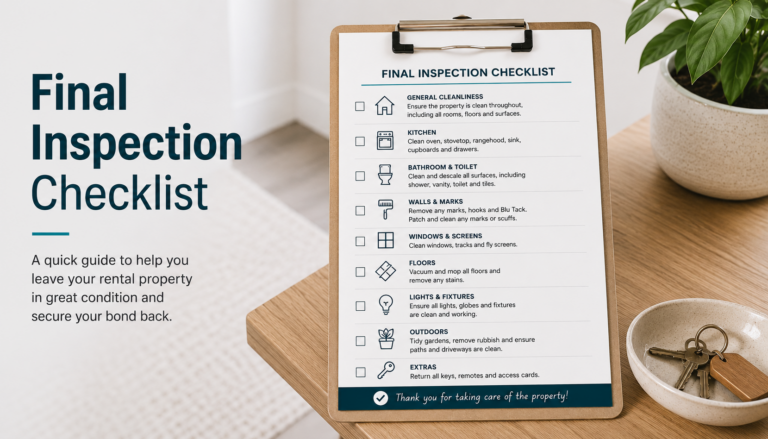
8. Managing the end of a tenancy
When a tenant moves out, your property manager compares the outgoing inspection with the original condition report, taking fair wear and tear into account.
If there are concerns about cleaning, damage or outstanding rent, they’ll document the issues and assist with the bond claim process. They’ll also coordinate any necessary work and help prepare the property for its next tenant.
SA law to know: Since 1 July 2024, prescribed grounds have generally been required to end a periodic tenancy or decline to renew a fixed-term tenancy. Further changes took effect on 1 September 2025, including a prescribed ground relating to entering into a sales agency agreement with a registered agent. Notice periods and evidence requirements depend on the circumstances.
Using the correct grounds and notices is essential to avoid delays or invalid notices.
The value of a good property manager
Great property management often goes unnoticed. Rent arrives, repairs are handled, paperwork is in order and your investment is being looked after.
But that doesn’t happen by itself. It takes local market knowledge, attention to detail, reliable communication and a thorough understanding of the responsibilities involved in managing a rental property.
At Magain, our property management team takes care of the details at every stage of the tenancy, helping you protect your investment and enjoy property ownership with less day-to-day stress.
Thinking about leasing your property or switching property managers?
Find out what your property could achieve and how Magain can help you manage it with confidence.
This article provides general information about South Australian tenancy law as at October 2026 and is not legal advice. Legislation and regulatory guidance can change. Check the latest information from Consumer and Business Services or seek independent legal advice about your circumstances.